November 13, 2025
Branding
Communication Strategy
Campaign Strategy
Time to Read:
6
Author:
A strong brand communication strategy helps businesses create consistent messaging, build customer trust, and strengthen brand recognition across every touchpoint. As digital platforms continue to reshape consumer expectations, organizations need communication strategies that combine data, storytelling, and personalization to stay competitive.
Developing a clear marketing communication strategy can also help organizations create more consistent messaging and stronger customer relationships across every channel.
The rise of social media has been a game-changer for brand perception and communication. Platforms like Facebook, Twitter, Instagram, and TikTok have given consumers unprecedented power to shape brand narratives, share their experiences, and directly engage with companies. Brands can no longer control the conversation; instead, they must actively listen, respond, and adapt their strategies to align with the ever-evolving consumer sentiment.
Data has become the new currency in the world of branding communications. With the ability to track and analyze vast amounts of consumer data, brands can gain invaluable insights into customer behavior, preferences, and pain points. This data-driven approach has revolutionized the way brands communicate, enabling them to create highly targeted, personalized campaigns that resonate with specific audience segments.
For decision-makers, this digital transformation has necessitated a significant shift in resource allocation and team structure. CMOs and marketing leaders must now invest in robust data analytics capabilities, social media monitoring tools, and digital marketing expertise. Cross-functional teams that can seamlessly integrate data analysts, creative professionals, and digital strategists have become the norm as brands strive to deliver cohesive, omnichannel experiences that drive measurable results.
Maintaining a consistent brand message across all touchpoints is a critical part of an effective brand communication strategy. Consumers interact with brands through various channels, including websites, social media, email campaigns, and physical locations. Inconsistent messaging can create confusion, weaken brand equity, and ultimately hinder customer acquisition and retention.
Achieving omnichannel consistency requires a coordinated effort involving multiple teams, such as marketing, sales, customer service, and product development. Implementing a centralized brand management system can help streamline the creation, approval, and distribution of brand assets, ensuring that all customer-facing materials align with your overall brand communication strategy and brand guidelines.
Tools like digital asset management platforms, brand portals, and content management systems can facilitate collaboration, version control, and real-time updates across all channels. Additionally, style guides and brand playbooks provide clear direction for visual identity, tone of voice, and messaging, helping organizations deliver a cohesive and recognizable brand experience.
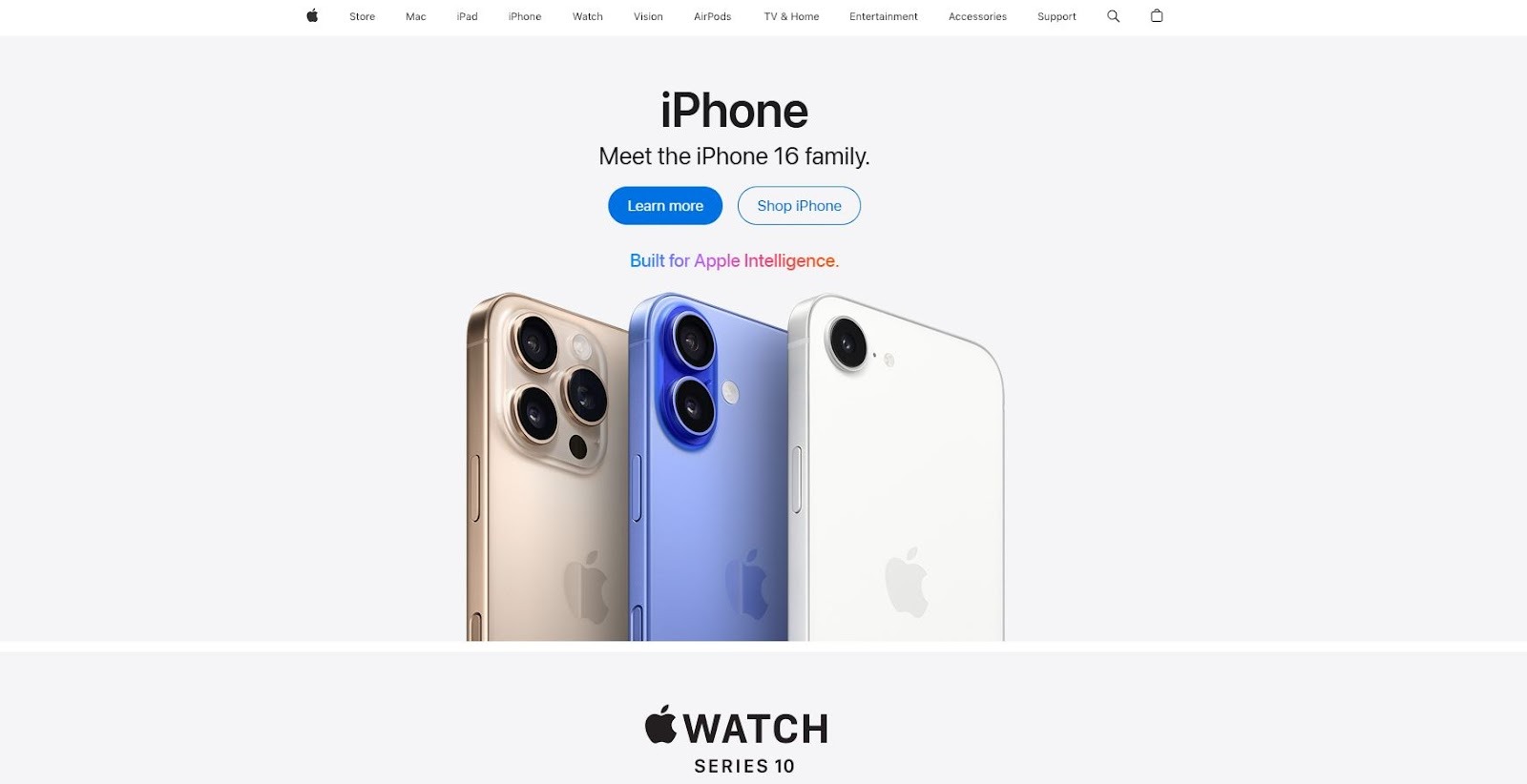
One Fortune 500 company that has excelled in omnichannel consistency is Apple. Across its website, retail stores, product packaging, and marketing campaigns, Apple maintains a sleek, minimalist aesthetic and consistent messaging centered on innovation, design, and user experience. This cohesive brand communication strategy has contributed to Apple’s remarkable brand recall, helping the company consistently rank among the world’s most valuable brands.
The ROI of omnichannel consistency is undeniable. Studies show that consistent branding can increase brand recall by up to 35%, strengthening customer trust and loyalty. A cohesive brand communication strategy can also improve conversion rates by reducing customer confusion and creating a smoother customer journey.
We’re living in an age of information overload, where consumers increasingly expect personalized experiences tailored to their unique preferences and needs. Data analytics allow companies to gather insights from customer information, including browsing behavior, purchase history, and demographic data. AI algorithms can then process this data to identify patterns, predict future behavior, and deliver highly relevant content and offers to individual audience segments.
Implementing personalization at scale requires sophisticated data management and AI capabilities, but the ROI can be substantial. Brands that integrate personalization into their brand communication strategy often see measurable improvements in engagement, conversion rates, and customer retention. Personalized experiences also foster stronger brand loyalty and advocacy by helping customers feel understood and valued.
A customer-centric approach is also essential for building a brand communication strategy that strengthens engagement, trust, and long-term loyalty.
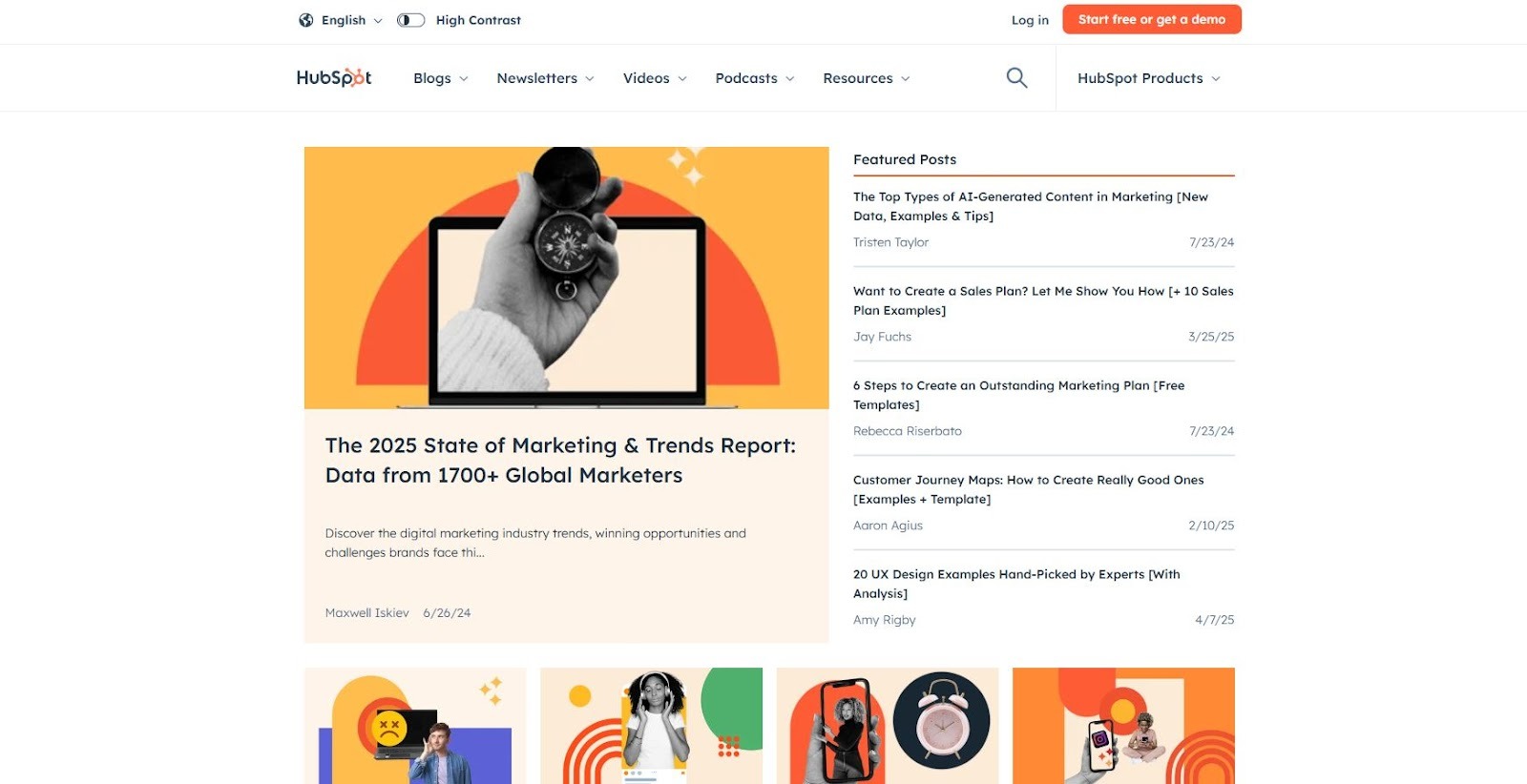
One company that has mastered the art of content marketing is HubSpot. With a team of dedicated content creators and a robust content distribution strategy, HubSpot consistently produces a wealth of educational resources, from in-depth guides and industry reports to engaging video content and interactive tools. The content not only showcases their expertise in the marketing and sales space but also provides immense value to their audience, fostering trust and brand loyalty.
To maximize the impact of your content marketing efforts, it's essential to have a well-defined distribution strategy. This includes leveraging owned channels like your website, email newsletters, and social media platforms, as well as exploring opportunities for guest posting, influencer collaborations, and paid promotion.
The ROI of content marketing can be measured through various metrics, including organic traffic growth, lead quality, and sales cycle reduction. As your content attracts more qualified leads and establishes your brand as a trusted authority, you'll likely see a significant improvement in conversion rates and a shorter sales cycle, ultimately driving more revenue for your business.
A strong thought leadership content marketing strategy positions your company as an authority within your industry. High-value content helps answer important audience questions, address real business challenges, and reinforce a stronger brand communication strategy. This can include blog posts, industry reports, webinars, podcasts, and educational resources that provide actionable insights and expert perspectives.
One company that has mastered this approach is HubSpot. Through educational resources, research reports, and digital tools, HubSpot demonstrates how a well-executed brand communication strategy can drive inbound growth, strengthen customer trust, and build long-term audience engagement.
Effective content marketing also strengthens your brand positioning strategy, reinforces credibility, and contributes to long-term brand equity growth. In addition, strong thought leadership initiatives can improve ROI by shortening sales cycles, improving lead quality, and increasing customer confidence in your brand.
A brand’s reputation can be strengthened or damaged within hours, especially in today’s fast-moving digital landscape. Negative sentiment can spread quickly across social media, review platforms, and online forums, potentially impacting customer trust and long-term brand equity. That’s why real-time monitoring and rapid response strategies are essential components of an effective brand communication strategy.
Effective brand monitoring involves using advanced tools and technologies to track brand mentions, audience sentiment, and online conversations across multiple channels. Social listening platforms, web monitoring tools, and sentiment analysis technologies help organizations stay informed about public perception and identify potential issues before they escalate.
When a crisis does occur, having a clearly defined response strategy is critical. This should include a dedicated crisis communications team, pre-approved messaging frameworks, and clear escalation protocols. The goal is to respond quickly, transparently, and empathetically while communicating the steps being taken to address the issue.
One company that has handled crisis communication effectively is Airbnb. In 2015, the company faced widespread criticism after a host’s home was severely damaged by guests. Airbnb responded quickly by issuing a public apology, compensating the host, and introducing new safety measures to help prevent similar incidents in the future. This transparent response helped rebuild trust and reinforce the company’s commitment to customer safety.
The ROI of effective brand monitoring and reputation management is significant. By proactively managing negative sentiment and addressing issues early, organizations can protect their reputation, maintain customer confidence, and reduce the long-term costs associated with crisis recovery. Key metrics to evaluate include sentiment improvement, customer retention, and overall brand trust.
Cause marketing is a powerful way to strengthen your brand communication strategy by aligning your organization with social or environmental initiatives that resonate with your audience. By supporting causes that reflect your brand values, companies can build deeper emotional connections with customers and differentiate themselves in an increasingly competitive marketplace.
One of the primary benefits of cause marketing is its ability to foster long-term brand loyalty. When customers view a brand as authentic, socially conscious, and committed to creating positive impact, they are more likely to develop trust and emotional affinity toward the organization. This stronger connection can lead to improved customer retention, lower acquisition costs, and greater lifetime customer value.
Measuring the impact of cause marketing is essential for understanding its effectiveness and influence on brand perception. Brand tracking studies, customer feedback, engagement metrics, and social media sentiment analysis can provide valuable insight into how audiences respond to cause-related initiatives and whether those efforts are influencing purchasing decisions.
To maximize the ROI of cause marketing, organizations should focus on causes that genuinely align with their mission, values, and audience interests. Transparency, accountability, and measurable impact are also critical for maintaining credibility and strengthening trust within your overall brand communication strategy.
Effective branding communications are crucial for driving measurable business growth. We’ve covered five proven branding communications strategies for ROI maximization, but there are many more. And, of course, each brand is unique, so some of these may give a better ROI than others.
Remember, success hinges on continuous measurement and adaptation. Regularly assess the performance of your branding communications strategies, adjusting tactics as needed to optimize ROI. Embrace a data-driven approach, and don't hesitate to experiment with emerging technologies and trends.
At ONWRD, we work with organizations to build strategies that resonate, clarify their message, and deliver meaningful results. If you’re looking to move forward with intention and strengthen how your brand shows up, we’re here to support that process. Real-world case studies can also provide valuable insight into how strategic communication strengthens customer trust, brand positioning, and long-term business growth.
To dive deeper into this perspective, take a look at Communication That Connects, Not Just Converts, where we explore the full landscape of inclusive marketing and why the brands that stand out are the ones that show empathy, consistency, and personality. You can also see this approach in action through our financial services case study.


July 20, 2026
Communication Strategy